Acquiring a new laser printer is an investment in efficiency, offering crisp documents and rapid printing. But like any sophisticated piece of technology, a laser printer requires diligent care to sustain its peak performance and extend its operational life. Understanding and implementing essential maintenance tips from day one can prevent common issues, save on costly repairs, and ensure your laser printer remains a reliable workhorse for years to come. This comprehensive guide will walk you through everything from understanding how your laser printer works to crucial cleaning routines and troubleshooting common problems, ensuring you get the most out of your printing experience.
Understanding Your Laser Printer: Definition and Operation
A laser printer operates on an electrostatic digital printing process, where a laser beam “draws” an image onto a photosensitive drum. This process generates static electricity that attracts toner powder to specific areas on the drum. The toner is then transferred onto paper, which passes through a fuser unit that uses heat and pressure to melt and permanently bond the toner to the paper. This intricate dance of light, static, and heat is what delivers the remarkably sharp text and graphics characteristic of laser printing.
Unlike inkjet printers, which spray liquid ink through tiny nozzles, laser printers use a dry, powdered toner. This fundamental difference accounts for many of their distinct operational characteristics and maintenance requirements. While inkjet printers excel in producing vibrant, continuous-tone photographs, laser printers are typically preferred for high-volume text documents and business graphics due to their speed, precision, and efficiency.
Advantages and Disadvantages of Laser Printers
Choosing a laser printer involves weighing its unique benefits against its potential drawbacks. For many users, particularly in office environments or those with high print volumes, the advantages significantly outweigh the disadvantages.
Advantages
|
Our Picks for the Best Laser Printer in 2026
As an Amazon Associate I earn from qualifying purchases.
|
||
| Num | Product | Action |
|---|---|---|
| 1 | Brother HLL3280CDW Wireless Compact Color Laser Printer, Duplex, Mobile Printing & Ethernet | Includes 2 Month Refresh Subscription Trial¹, Amazon Dash Replenishment Ready (Renewed Premium) |

|
| 2 | Brother DCP-L2640DW Wireless Compact Monochrome Multi-Function Laser Printer with Copy and Scan, Duplex, Black & White Output | Includes Refresh Subscription Trial(1), (Renewed Premium) |
|
| 3 | Brother MFC-L2820DW Wireless Compact Monochrome All-in-One Laser Printer with Copy, Scan and Fax, Duplex, Black & White | Includes Refresh Subscription Trial(1), Works with Alexa |
|
| 4 | Canon imageCLASS MF284dw Wireless Black & White Laser Printer – All-in-One for Home Use, Print/Copy/Scan, 2-Sided Printing, 35 PPM, Auto Doc Feeder, Mobile Device Compatible, Starter Toner Included |
|
| 5 | Brother DCP-L2640DW Wireless Compact Monochrome Multi-Function Laser Printer with Copy and Scan, Duplex, Mobile, Black & White | Includes Refresh Subscription Trial(1), Works with Alexa |
|
| 6 | HP Laserjet MFP M234dw Wireless Printer, Print, scan, Copy, Fast speeds, Easy Setup, Mobile Printing, Best-for-Small Teams, Instant Ink Eligible |
|
| 7 | HP LaserJet MFP M235sdw All-in-One Laser Wireless Printer, Scan/Copy, Black & White, Duplex, Best-for-Office |
|
| 8 | Brother HL-L2405W Wireless Compact Monochrome Laser Printer with Mobile Printing, Black & White Output | Includes Refresh Subscription Trial(1), Works with Alexa |
|
| 9 | Brother HLL6210DW Business Monochrome Laser Printer with Large Paper Capacity, Wireless and Gigabit Ethernet Networking, Advanced Security Features and Mobile Printing (Renewed Premium) |
|
| 10 | Brother HL-L2460DW Wireless Compact Monochrome Laser Printer with Duplex, Mobile Printing, Black & White Output | Includes Refresh Subscription Trial(1), Works with Alexa |
|
Laser printers are renowned for their high printing speeds, often delivering dozens of pages per minute, making them ideal for busy settings. The print quality is consistently sharp and crisp, especially for text, with excellent readability even at small font sizes. From a cost perspective, the cost per page is typically lower, especially for monochrome prints, thanks to the efficiency and longevity of toner cartridges. Furthermore, laser printers are generally more durable and reliable with fewer moving parts susceptible to drying or clogging compared to inkjet models, leading to less frequent maintenance.
Disadvantages
Despite their many benefits, laser printers do come with some considerations. The initial purchase price is often higher than comparable inkjet printers, which can be a barrier for budget-conscious individuals or small businesses. Their physical footprint is usually larger, requiring more desk space. In operation, some older models may emit small amounts of ozone during the fusing process, though modern printers have significantly reduced this. Lastly, while less frequent, when repairs are needed, the cost can be higher due to the specialized components involved.
Types of Laser Printers on the Market
The laser printer market offers a variety of models, each designed to cater to different user needs, from basic home printing to complex office tasks. Understanding these categories helps in making an informed purchase and knowing what to expect from your device.
Monochrome Laser Printers
Monochrome, or black-and-white, laser printers are the workhorses of many offices. They are specifically designed for high-volume text and document printing, offering exceptional speed and efficiency. Their primary advantage lies in their lower cost per page for toner, making them incredibly economical for users who primarily print invoices, reports, and other text-heavy materials. These printers are simple, fast, and durable, requiring less frequent toner replacement.
Color Laser Printers
Color laser printers provide the capability to print both text and vibrant color images, making them suitable for presentations, marketing materials, and graphics-rich documents. While the color output is generally excellent for business graphics, it typically won’t match the photographic quality of a high-end inkjet printer. The cost of color toner cartridges is higher than monochrome, and they often require four separate cartridges (black, cyan, magenta, yellow), increasing operational expenses compared to their black-and-white counterparts.
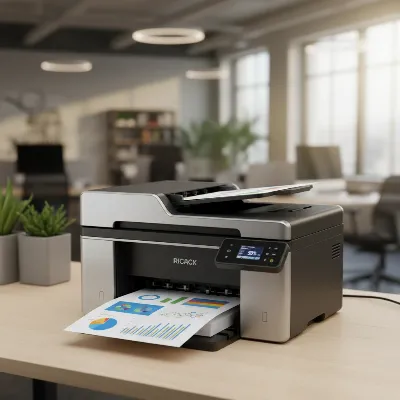 A modern color laser printer actively printing a document with vibrant graphics in an office setting.
Multifunction Laser Printers (All-in-One)
Multifunction laser printers (MFPs), also known as all-in-one printers, are incredibly versatile devices. They integrate multiple functionalities into a single unit, typically including printing, scanning, copying, and often faxing. These units are perfect for small offices or home environments where space is at a premium and a range of document management tasks need to be performed. They offer the efficiency of laser printing combined with the convenience of an integrated office solution, making them a popular choice for enhancing productivity.
Essential Maintenance Practices for Your Laser Printer
Regular maintenance is the cornerstone of a long-lasting and reliable laser printer. By following a few key practices, you can significantly reduce the likelihood of common printing issues and ensure consistent, high-quality output.
Regular Cleaning: Inside and Out
Dust and toner residue are the primary culprits behind many print quality issues and hardware malfunctions. External cleaning should be done regularly with a damp, lint-free cloth to keep the casing free of dust and grime. For internal cleaning, it is crucial to first power off and unplug your printer, allowing it to cool for at least an hour. Use a specialized toner cloth or a small, pressure-controlled vacuum to remove loose toner particles and dust from the chassis. For intricate components like corona wires (which transfer static charge) and paper feed rollers, gently wipe them with a cotton swab moistened with isopropyl alcohol. The imaging drum, if separate from the toner cartridge, should be handled with extreme care and cleaned only when necessary with a soft, lint-free cloth, avoiding harsh solvents. Don’t forget to use compressed air to clear dust from the internal fan vents to maintain proper airflow.
Using Quality Supplies and Proper Storage
The quality of your consumables directly impacts your printer’s performance and longevity. Always opt for high-quality toner cartridges from reputable manufacturers. Cheap, low-quality toner can not only degrade print quality but also leak and cause internal damage or clogs. Similarly, using appropriate paper is essential; always check your printer’s specifications for recommended paper weights and types. Storing paper correctly in a dry, cool place away from humidity prevents moisture absorption, which can lead to paper jams and fuzzy prints.
Firmware Updates and Diagnostics
Keeping your printer’s software up-to-date is a simple yet effective maintenance step. Regularly update your printer’s firmware to ensure it has the latest features, bug fixes, and compatibility with new operating systems and applications. Most modern laser printers also include built-in self-test and diagnostic tools. Running these tests periodically can help identify minor issues early on, allowing you to address them before they escalate into significant problems that impact productivity.
Safe Handling and Prevention
Safety during maintenance is paramount. Always turn off and unplug your laser printer for at least one hour before attempting any internal cleaning or component replacement. This prevents accidental electrical shocks and allows hot fuser units to cool down, protecting you from burns. When handling toner cartridges or cleaning inside, consider wearing a dust mask and latex gloves to avoid inhaling fine toner particles or getting them on your skin. If toner spills, do not use warm or hot water to clean it, as heat can melt the toner, making it adhere to surfaces. Instead, use a dry cloth or a specialized toner cleaning wipe. Covering your printer with a dust cover when not in use can also significantly reduce internal dust buildup.
Troubleshooting Common Laser Printer Issues
Even with diligent maintenance, laser printers can occasionally encounter issues. Knowing how to diagnose and address these common problems can save you time and frustration.
Paper Jams
Paper jams are among the most frustrating printer problems. They can be caused by using the wrong type or weight of paper, overloading the paper tray, or the accumulation of dust and debris in the paper path. Worn or dirty paper feed rollers are also common culprits. To resolve, carefully remove all jammed paper, inspect the paper path for small torn pieces, and ensure the paper tray is loaded correctly with the appropriate paper type. Regular cleaning of the paper rollers can significantly reduce the frequency of jams.
Faded or Streaky Prints
If your prints appear faint, light, or have noticeable streaks, several factors could be at play. Low toner levels are a common cause, indicated by a low-toner warning. If the cartridge isn’t empty, try gently shaking it horizontally to redistribute the remaining toner for a temporary fix. Incorrect print density settings can also lead to faded output. Streaks might point to a dirty or damaged imaging drum or a faulty fuser assembly. Cleaning the drum unit carefully (if accessible) and ensuring quality toner can often resolve these issues.
Toner Smudges
Smudges or excess toner on the page typically indicate a problem with the fuser unit not properly bonding the toner to the paper, or a defective toner cartridge. A build-up of toner on internal components, such as the corotron wire, can also cause smudges. Cleaning the interior of the printer, especially around the drum and fuser area (following your manual’s instructions), and checking the toner cartridge for leaks or defects can help.
White Lines
Sharp, thin white lines running down your prints often suggest a blockage in the developer unit or dirty corona wires that are not attracting toner properly. Cleaning the corona wires with a cotton swab is a good first step. If the problem persists, it may indicate a more involved issue with the developer roller or blade, which might require professional attention or reference to your printer’s service manual.
Fuzzy Quality
A fuzzy or blurry print quality can result from damp or low-quality paper, or a dirty corotron wire. Ensure you are using fresh, high-quality paper stored in a dry environment. Cleaning the corotron wire and ensuring proper environmental control for your printer can help improve print clarity.
When to Consider Repair vs. Replacement
Deciding whether to repair a malfunctioning laser printer or replace it entirely can be a challenging decision. A good rule of thumb is to compare the estimated repair cost to the cost of a new printer. If the repair cost exceeds 50% of the replacement value, investing in a new printer is often the more economical choice in the long run. Another critical factor is parts availability. Manufacturers typically support models for about 5-7 years; beyond this, finding genuine replacement parts can become difficult and expensive. When parts are scarce, it’s often a sign that the model is aging out, and upgrading to a newer, more efficient printer with readily available support might be the best course of action.
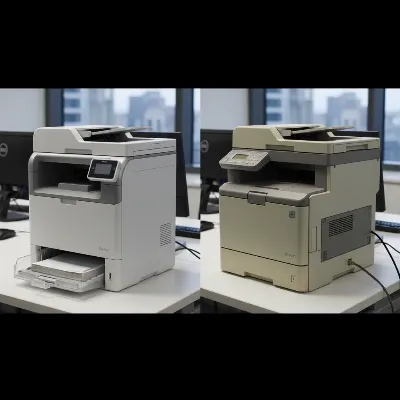 A side-by-side comparison of a sleek, modern laser printer and an older, bulkier model, illustrating technological advancement and design changes.
Conclusion
Your new laser printer is a powerful tool designed to streamline your printing needs, offering speed, precision, and efficiency. By committing to a routine of regular maintenance, which includes meticulous cleaning of internal and external components, using high-quality supplies, keeping firmware updated, and addressing common issues promptly, you can significantly enhance its performance and extend its operational lifespan. Understanding the nuances of laser technology and its specific care requirements empowers you to be a proactive user, minimizing downtime and ensuring every print is as crisp and clear as the first. Embrace these practices, and your laser printer will continue to serve your home or business reliably for many years.
What specific maintenance task has proven most effective for the longevity of your laser printer?
Frequently Asked Questions
How often should I clean my laser printer?
For optimal performance, a basic external cleaning should be done monthly. A more thorough internal cleaning, focusing on components like rollers and corona wires, is recommended quarterly or every few thousand pages, depending on usage volume.
Can I use regular cleaning sprays or water to clean inside my laser printer?
No, avoid using regular cleaning sprays or water inside your laser printer. Water can damage electronic components, and many cleaning agents can leave residue. Isopropyl alcohol on a lint-free cloth is recommended for specific internal parts, as it evaporates quickly.
Why is using quality toner so important for laser printer maintenance?
Quality toner ensures consistent print clarity and prevents issues like smudging and streaking. Low-quality or non-OEM toner can contain impurities that lead to excessive residue buildup, internal clogs, and potential damage to critical components like the drum and fuser, ultimately reducing the printer’s lifespan.
My laser printer often jams paper. What’s the most common reason for this?
Paper jams are frequently caused by using incorrect paper types, paper that has absorbed too much humidity, overfilling the paper tray, or worn-out paper pickup rollers. Ensure you’re using recommended paper, store it in a dry place, and clean the feed rollers regularly.
Is it necessary to update my laser printer’s firmware?
Yes, updating your laser printer’s firmware is important. Firmware updates often include performance enhancements, security patches, and compatibility improvements, ensuring your printer works seamlessly with new operating systems and applications and remains secure against vulnerabilities.
What should I do if toner spills inside my printer?
If toner spills, do not use water or a household vacuum cleaner, as the fine particles can spread or damage the vacuum. Instead, use a specialized toner vacuum or a lint-free cloth designed to attract toner. Wear a mask and gloves to avoid inhalation and skin contact.
How do laser printer maintenance needs compare to inkjet printers?
Laser printers generally require less frequent maintenance than inkjet printers because toner is a dry powder and does not clog or dry out like liquid ink. Inkjet printers often need more regular print head cleaning, especially if unused, to prevent nozzle blockages.
